
Using Mobile Cranes in Dangerous Weather: Here’s What Site Managers Need to Know
Construction work doesn’t always happen under clear skies – projects run on tight timelines, and cranes are often required to operate in conditions that are far from ideal. That being said though, using mobile cranes in dangerous weather is never something that should be taken lightly.
High winds, heavy rain, lightning, and extreme heat can all affect crane performance and site safety. Knowing when it’s safe to proceed (and when to stop work) is critical for protecting operators, site workers, and the surrounding environment.
At Sventek Cranes, our team has spent decades working across complex construction sites throughout Victoria. Experience teaches you that weather conditions can change quickly, and preparation is everything when lifting operations are involved.
Why Weather Matters in Crane Operations
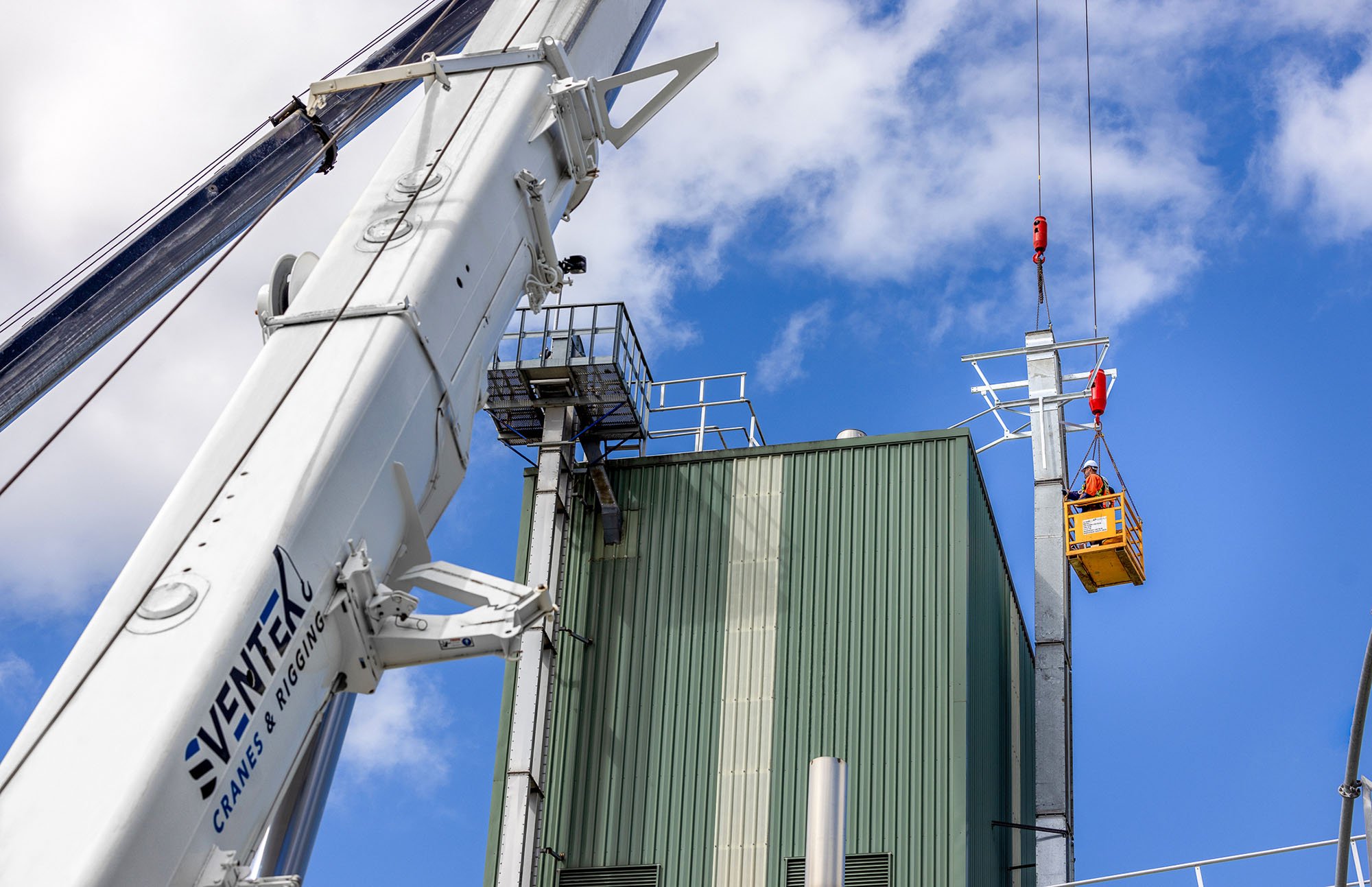
Mobile cranes are incredibly capable machines, but they’re also subject to the laws of physics. When a crane lifts a load, it becomes a carefully balanced system where weight, reach, wind force, and ground stability all play a role.
Dangerous weather conditions can interfere with that balance in several ways.
Wind is often the biggest concern; a strong gust can push against a suspended load, causing it to swing or rotate unexpectedly. Even relatively lightweight materials like steel beams, panels, or roof sheets can behave like sails in the wind.
Rain presents another challenge. Wet conditions can affect ground stability, reduce visibility for operators, and create slippery surfaces for rigging crews. When cranes are positioned on soil or temporary pads, excessive moisture can compromise the ground bearing capacity needed to safely support the machine.
Lightning and electrical storms add another layer of risk. With cranes extending high into the air, the potential for lightning strikes or electrical hazards increases significantly.
This is why professional planning is essential whenever mobile cranes are operating in dangerous weather conditions.
Wind Limits and Load Control
Wind speed is one of the most closely monitored factors during lifting operations.
Manufacturers provide detailed specifications that outline safe operating limits for each crane model (these limits vary depending on the crane configuration, boom length, load weight, and lifting radius). Even when wind speeds are technically within allowable limits, experienced operators know that gusts and sudden changes can still create problems. For example, large or awkward loads such as precast panels or structural steel sections can catch wind much more easily than compact loads.
When using mobile cranes in dangerous weather, careful load planning becomes even more important – this might include reducing lift weights, adjusting boom angles, using tag lines to stabilise loads, and delaying lifts until wind conditions settle. Experienced crane crews constantly monitor conditions throughout the day, not just during the initial lift plan.
Rain, Ground Conditions and Crane Stability
Mobile cranes rely on a stable base to operate safely (outriggers and crane mats distribute weight across the ground, but that ground still needs to support the load). Heavy rainfall can change site conditions quickly; what was firm ground in the morning may become unstable after several hours of rain. When working in wet conditions, crane operators and rigging teams need to reassess:
Ground bearing capacity
Outrigger placement
Drainage around the crane setup area
Access routes for crane movement
On some sites, additional mats or engineered pads may be required before lifting operations can continue safely. Managing these variables is a key part of safely using mobile cranes in dangerous weather, particularly on construction sites where ground conditions are constantly changing.
Lightning and Electrical Hazards
Technology and equipment play an important role in crane safety, but experience is just as valuable. Operators and rigging teams who regularly work with mobile cranes develop a strong understanding of how weather affects lifting operations. They can recognise early warning signs, adjust lift plans, and make informed decisions about when to proceed and when to wait.
This level of situational awareness is critical when using mobile cranes in dangerous weather. Small changes in conditions can have a big impact on a lift, and experienced crews know how to respond quickly.
Planning for Weather on Construction Projects
One of the most effective ways to manage weather risks is through proper planning. Professional crane companies build weather considerations into the lift planning process from the beginning – this might involve reviewing forecasts, scheduling lifts for calmer conditions, and identifying alternative lift windows if weather delays occur.
Clear communication between crane crews, site supervisors, and project managers also plays a key role. Everyone on site needs to understand how weather conditions affect lifting operations and what the safety thresholds are (this approach helps minimise downtime while still prioritising safety).
Working with a crane team that understands the risks
Construction projects don’t always allow for perfect weather… but when challenging conditions arise, having the right crane partner on site makes a significant difference.
At Sventek Cranes, we bring decades of hands-on experience to complex lifting operations across Victoria. Our team understands the realities of construction sites and the challenges that come with using mobile cranes in dangerous weather. From detailed lift planning to experienced operators and a modern fleet of cranes, we work closely with project teams to deliver safe, efficient lifting solutions — even when conditions aren’t ideal.
If you’re planning a project that requires expert lifting support, the Sventek team is ready to help ensure the job is completed safely and efficiently.